Most marketers assume their funnel begins at the Top of the Funnel, known as TOFU.
It is the moment a user clicks an ad, lands on a blog post, or types a keyword into Google.
The truth is that buyers start forming opinions much earlier, long before their search intent becomes visible in any convenient or trackable way.
This quite early stage is where Web Intent appears, as part of what we call pre-marketing.
And here is what you need to know.
What Pre-Marketing Actually Is and Where Web Intent Fits
The definition of pre-marketing
Pre-marketing is the stage that happens before the traditional funnel, or even the growth funnel, becomes visible. It is the quiet part of the journey where users explore problems, skim content, compare ideas, and form early opinions without taking any action your tools can track.
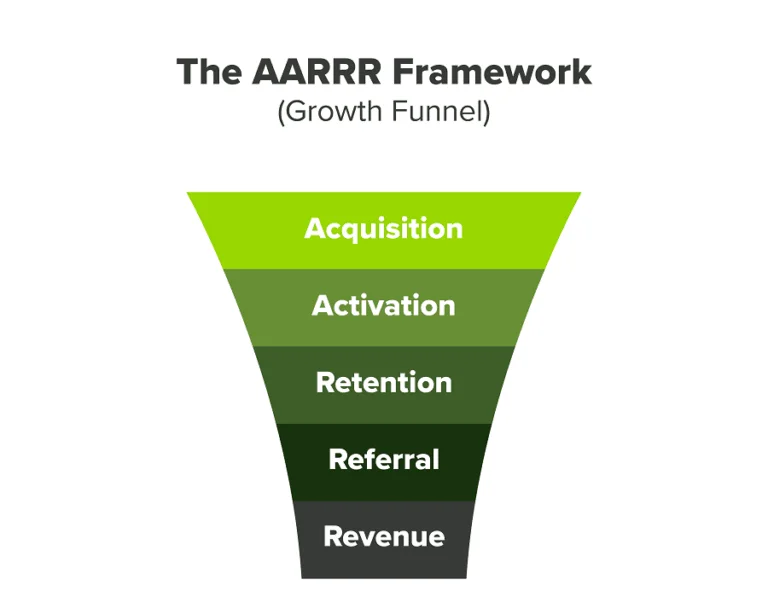
They are not searching for keywords yet and they are not clicking anything meaningful. Pre-marketing helps you understand these early signals so you can see where buyers are heading before they make it obvious.
The branches of pre-marketing
Pre-marketing shows up in different ways, each one tied to a different type of early signal:
- Web Intent: Behavioral patterns that show where users are headed before they perform a search.
- Contextual intelligence: Topic and page-level signals based on the content someone consumes.
- Predictive topic interest: Themes that start gaining attention before keyword tools detect them.
- Demographic and firmographic triggers: Company or user characteristics that hint at upcoming demand.
- Early brand conditioning: Light-touch awareness that shapes thinking before intent forms.
Why Web Intent Is More Relevant Than Ever
So why is web intent now more relevant than it was in the past?
What Made Web Intent Necessary
Web Intent did not appear because marketers needed another tool. It appeared because user behaviour changed faster than traditional tracking and TOFU models could keep up. These shifts created a gap in the funnel that only pre-search signals can fill.
Why it became necessary:
- Users move across multiple platforms in fragmented, unpredictable ways.
- Early research happens in places your analytics cannot measure.
- Search behaviour is shifting and no longer reflects the full journey.
- TOFU signals now show up much later, often when competition is already high.
- PPC and SEO have become more expensive as brands fight for the same late-stage intent.
- Marketers need visibility into earlier signals to stay ahead of rising costs.
Teams must detect interest earlier in the journey, because relying on TOFU alone is too slow and too crowded.
What Made Web Intent Possible
Web Intent is only now practical because the underlying technology finally matured. What used to require custom adtech stacks and heavy engineering can now be switched on by any marketing team.
Why it became possible:
- Cookieless identifiers allow anonymous behaviour to be interpreted without third party cookies.
- Server side events capture more consistent cross-site activity.
- Pattern recognition models can detect buyer-like behaviour long before a search happens.
- Machine learning can group anonymous users into intent-based cohorts reliably.
- Platforms that once needed enterprise budgets now provide plug-and-play integrations.
Web Intent moved from a theoretical concept to a usable tool that everyday marketers can activate.
How Web Intent Actually Works
From behavior to audience
Users start by exploring a problem with light, low-commitment actions. They read articles, compare approaches, look at templates, or browse categories without showing any explicit intent.
These scattered behaviors form patterns that indicate where they are heading, even if they are not searching for anything yet.
Web Intent tools detect these patterns across different sites. When enough behaviors align, the system groups these users into anonymous audiences based on the direction they appear to be moving toward.
From audience to activation
Once these cohorts are created, they can be synced into platforms like Meta, Google, LinkedIn, or programmatic environments.
This early signal gives you a window to influence how prospects frame the problem before they even define their criteria.
This gives marketers a chance to reach people before they start searching, while the competition is still low.
How to Use Web Intent in Practice for Every One of Your Marketing Channels
Web Intent becomes a lot more powerful once you connect it to the channels you already use.
To keep things consistent, we will use a project management SaaS as our running example for all marketing channels.
1. PPC
Web Intent improves PPC performance because you reach users before they enter a competitive search environment. You warm the audience early, reduce your reliance on expensive keywords, and guide them toward your category before your competitors even see them.
What to focus on
These are the core actions that turn Web Intent into a functioning PPC lever. Each one is straightforward, and together they form a warm, early-stage acquisition system.
- Sync your Web Intent audience into Google Ads or Meta.
- Build a warm prospecting campaign targeting these users directly.
- Use problem-first messaging aligned with early signals Web Intent picked up.
- Keep bids lighter than your lower-funnel campaigns, since the goal is early recognition.
- Track how many users from this audience later perform branded or category searches.
This gives your campaigns a steady flow of people who enter search already knowing your name.
How to set it ip
The setup is simple once you know where to look. Think of this part as connecting the pipes and giving the algorithm the right direction.
- Import the Web Intent audience into your ad platform.
- Create a new campaign and set this audience as your primary signal.
- Write ad copy based on early-stage behavior such as symptoms or frustrations.
- Run softer bids to warm the audience rather than compete aggressively.
- Monitor lift in branded search and conversion paths over time.
These steps ensure you are not just targeting earlier, but also measuring the downstream impact.
Example
Web Intent identifies users reading about missed deadlines, workflow bottlenecks, and task assignment templates. They are moving toward the project management category, even if they have not searched for a tool yet.
Your PPC ads speak directly to that early mindset:
“Still managing projects in spreadsheets? Try a cleaner workflow.”
“Your team deserves structured task ownership. Start with better templates.”
You reach them before any competitor enters the picture, and when they finally search, your brand is already familiar.
2. SEO & Content Marketing
Web Intent helps you see the questions and problems buyers explore before they begin searching. This gives both SEO and content teams a chance to create material that meets users earlier in their thinking and positions the brand before competitors appear.
What to focus on
These actions help you turn early signals into content that educates, attracts, and guides pre-intent users.
- Identify themes that show up consistently in your Web Intent data.
- Spot problem-first or “symptom” topics that appear long before keyword tools reflect them.
- Build content that answers these early questions in plain, practical language.
- Create both search content and non-search assets around them.
- Track which early topics turn into mid-funnel interest or branded searches.
This gives your content calendar a real demand signal instead of guesswork.
How to set it up
The process blends SEO planning with general content production. The goal is to build resources that match early behavior, not just keywords.
- Export the recurring topics showing early interest from your Web Intent platform.
- Cluster them into problem categories such as clarity, collaboration, or productivity.
- Turn each cluster into search articles, templates, checklists, or educational guides.
- Link these assets together so users naturally move from early questions to deeper content.
- Review which pieces bring users closer to mid-funnel engagement.
This keeps your content ecosystem aligned with the buyer’s direction instead of your assumptions.
Example
Web Intent shows rising interest in topics like “why teams miss deadlines,” “how to structure workflows,” and “who owns what in a project.”
Your content team builds assets like:
- “5 reasons teams miss deadlines and how to fix them”
- “A simple workflow structure you can copy today”
- “A task assignment checklist for teams that feel overwhelmed”
Some pieces become SEO articles. Some become templates. Some become social posts. Together they meet users early and position your brand before search intent forms.
3. Email Marketing
Web Intent helps you understand what users are trying to solve long before they join your list. This lets you design lead magnets, signup angles, and nurture flows that match the early questions people already have. Instead of sending broad TOFU emails, you speak directly to the problem they are beginning to explore.
What to focus on
These actions help you use Web Intent to shape your email acquisition and nurture strategy.
- Create lead magnets based on the early problems Web Intent identifies.
- Use signup angles that match the audience’s early interests instead of generic messaging.
- Build nurture emails around problem clarification, not product pitches.
- Segment new leads by the type of early intent they showed.
- Track which early-intent segments progress into mid-funnel engagement.
This lets your email list grow with people who already show meaningful direction.
How to set it up
The setup focuses on aligning your email assets with the behavior patterns Web Intent surfaces.
- Review the top pre-search topics your audience is consuming.
- Map each one to a relevant lead magnet or resource.
- Adjust your landing pages and sign-up forms to reflect these early themes.
- Build a short nurture sequence for each early-intent cluster.
- Measure which sequence produces the strongest next-step engagement.
This ensures your email efforts follow the buyer’s natural path instead of a generic drip.
Example
Web Intent shows early interest around missed deadlines, unclear task ownership, and workflow structure. Your email strategy builds on these signals with:
Lead magnets such as:
- “Deadline Rescue Checklist”
- “Simple Workflow Templates for Small Teams”
Early nurture emails such as:
- “Why most teams miscommunicate tasks”
- “A faster way to structure your next project”
These users are not ready for product comparisons yet. But you guide them from early symptoms toward deeper awareness.
4. Paid Social & Programmatic
Web Intent gives paid social platforms the one thing they usually lack: real intent. Instead of relying on broad interest buckets or cold lookalikes, you can target users who are already moving toward your category. This brings warmer audiences into Meta, LinkedIn, Instagram, and programmatic long before they begin searching.
What to focus on
These actions help you use Web Intent to shape early recognition and problem awareness through social channels.
- Import Web Intent audiences directly into Meta or LinkedIn.
- Build campaigns focused on early problems, frustrations, or comparisons.
- Use short, problem-first creatives that match the behaviors Web Intent detected.
- Keep objectives flexible: reach, video views, engagement, or light landing page visits.
- Track which audience segments later show up in branded search or mid-funnel content.
This turns paid social from cold blasting into targeted warming.
How to set it up
The setup is simple because Web Intent sends audience data directly to your ad accounts.
- Sync your Web Intent audience to Meta, LinkedIn, or your DSP.
- Create a new campaign aimed at early-funnel awareness or education.
- Write copy that mirrors the early signals users showed in their browsing.
- Use short videos, carousels, or problem-focused statics to deliver the message.
- Compare performance against your usual cold-interest or broad campaigns.
This helps your social spend work harder without inflating costs.
Example
Web Intent shows users reading about missed deadlines, unclear task ownership, and workflow problems. These signals reveal frustration but not yet product research.
Your social ads speak directly to that early mindset with creatives like:
“Deadlines slip when tasks are unclear. Fix your team’s workflow.”
“A simple template can prevent half your project chaos.”
These users see your brand early, long before they search for tools. When they do enter the search stage, they recognize your name instantly.
5. CRO & Personalisation
Web Intent gives you context before a user even lands on your site. You know the problem they are exploring, the angle they care about, and the topics they engaged with. This lets you shape your landing pages and on-site experience so the message feels immediately relevant.
What to focus on
These actions help you use Web Intent signals to improve relevance and clarity on your pages.
- Adjust landing page headlines to match the early problems users are researching.
- Personalise key sections such as benefits, templates, or examples based on their intent cluster.
- Align your CTAs with the stage they are in, keeping them educational instead of sales-heavy.
- Test variations of messaging that reflect specific early-intent patterns.
- Track how different pre-intent cohorts respond to different page angles.
This gives each visitor a clearer, more relevant experience from the start.
How to set it up
You connect your Web Intent clusters to on-site messaging through simple rules and lightweight tools.
- Map each Web Intent audience to a core problem theme.
- Build small variations of your landing page or hero section for each theme.
- Use your personalization tool or CMP to serve the right version to the right cohort.
- Keep the variations subtle and problem-based, not full redesigns.
- Review engagement differences across segments to refine the messaging.
This keeps personalization manageable and focused on what actually influences intent.
Example
Web Intent reveals three early-intent clusters:
- “Why teams miss deadlines”
- “Who owns what in a project”
- “How to structure workflows”
Your landing page adapts accordingly:
Users in the “missed deadlines” cluster see copy like:
“Stop losing days to last-minute confusion. Bring clarity to every task.”
Users in the “task ownership” cluster see:
“Make responsibilities clear so projects do not get stuck.”
Users in the “workflow structure” cluster see:
“Build a simple workflow your team can follow from day one.”
Each version speaks directly to the user’s starting point instead of generic messaging.
Conclusion
Pre-marketing shows that the funnel starts earlier than most teams realise. Buyers reveal their direction long before they search, and Web Intent is the layer that makes these early signals visible.
This shift gives your campaigns lower costs, better relevance, and a head start that compounds over time.
If you are ready to see pre-marketing in action, now is the time to plug Web Intent into your growth stack. And, if you need any help along the way, contact us here!

I write for GrowthRocks, one of the top growth hacking agencies. For some mysterious reason, I write on the internet yet I’m not a vegan, I don’t do yoga and I don’t drink smoothies.