AI can write content. Fast. At scale. But the real question is: what content should it be writing? Don’t start writing before running a keyword clustering analysis.
This is where our 5Ws Keyword Framework comes in. It doesn’t just make keyword research easier—it makes it smarter. It brings clarity for brands and structure for SEO pros. And most importantly, it saves time and guesswork by offering immediate direction.
Disclaimer: All insights and information shared in this article come directly from the methodologies, courses, and teachings of GrowthRocks. This content does not include general knowledge or responses generated by ChatGPT. The 5Ws framework is a framework attributed to Theo Moulos (CEO of GrowthRocks and Chief Strategist of Growthhackers.com)
Let’s break it down.
SEO is not a science.
Everyone does keyword research their way. Some follow instincts. Others just Google and guess. Most of it? Random.
That’s precisely why we needed a framework.
At GrowthRocks, we created the 5Ws Framework to bring order to chaos, turn messy keyword lists into focused strategies, and help brands and SEO professionals stop guessing and start executing.
We use it with every client.
Now it’s yours to use too.
What is keyword clustering?
Keyword clustering means grouping similar or related keywords into “clusters,” so you can create one strong piece of content (like a page or blog post) that targets multiple keywords at once—instead of writing a separate page for each one.
Here’s why we do it:
- Google doesn’t rank pages for just one keyword anymore.
- One page can rank for dozens or even hundreds of similar terms if it’s well-optimized.
- Clustering saves time, avoids duplicate content, and boosts your chances of ranking higher.
Example:
Let’s say your main keyword is:
“vegan chocolate bar”
You might build a cluster that includes:
- vegan chocolate without sugar
- plant-based chocolate snacks
- organic vegan chocolate bar
- gluten-free vegan chocolate
All these are closely related. So instead of writing 4 different blog posts, you create one comprehensive page that covers all of them. Google sees the relevance. You rank for multiple terms. Win-win.
What’s more, to scale this without manual sorting and guesswork, you can use a keyword clustering tool.
Why We Built a Framework in the First Place
Keyword research isn’t the same for everyone.
Some start with search volume. Or with user personas. Some just copy competitors.
But the truth is: there’s too much guesswork.
We wanted a consistent, scalable system that could:
- Align SEO strategy with how real users search
- Help brands rethink their product from a user-intent perspective
- Empower AI tools (like ChatGPT) to create content that hits the mark
The result? The 5Ws.
What Is the 5Ws Framework?
The 5Ws Framework is a structured approach to keyword clustering. It takes a single product or service and explores it through five distinct lenses:
- What – What is the product or service?
- Which Category – Which subcategories or variations does it belong to?
- Why – Why would someone want it? What’s the user intent?
- Who – Who is searching for this?
- What Else – What other things might this customer care about?
Each “W” becomes a cluster of keywords. Each cluster becomes a doorway to a different user mindset. And together, they form a blueprint for content that actually meets search demand—without cannibalizing your own efforts.
Why You Need It (Especially Now With AI)
We’re in a new era. AI can generate pages, blogs, and product descriptions instantly. But if you’re not strategic, you’ll end up with content that overlaps, ranks nowhere, and answers no one.
The 5Ws:
- Prevent content cannibalization.
- Guide AI with precision prompts.
- Make your keyword research scalable and systematic.
- Give your content a long-term structure aligned with user search intent.
And above all? It stops the guesswork.
What Each Category Means
Let’s break down each “W” with examples from a real use case: vegan chocolate.
W1 – What (Product Itself)
These are the base keywords. Think ingredients, formats, SKUs.
Examples:
- “vegan chocolate bar”
- “organic cocoa spread”
- “carob bar with almonds”
- “dark chocolate cream”
W2 – Which Category
Now we dive into variations and types within the product universe.
Examples:
- “vegan white chocolate with blueberries”
- “gluten-free chocolate”
- “palm-oil free chocolate”
- “60% dark chocolate with tigernuts”
W3 – Why (User Motivation / Intent)
This is about purpose: dietary needs, health goals, values.
Examples:
- “chocolate for diabetics”
- “chocolate for weight loss”
- “palm oil free chocolate for heart health”
- “vegan chocolate during pregnancy”
W4 – Who (The Audience)
Segment your users: age, lifestyle, needs.
Examples:
- “chocolate for children”
- “healthy chocolate for parents”
- “vegan chocolate for ethical consumers”
- “chocolate for people with intolerances”
W5 – What Else (Related Interests)
This is the long-tail thinking. What else does your user care about? Also known as “Affinities”
Examples:
- “vegan restaurants”
- “fair-trade products”
- “sustainable packaging”
- “oat milk vs almond milk”
How 5Ws fuel Keyword Research
Here’s how we bring it to life:
- Start with Seed Keywords – Ask the brand for 10–15 keywords that best describe their product. These are the seeds.
- Explain the 5Ws – Align with the brand. Make sure they understand the 5W structure. (Yes, share this blog if needed!)
- Cluster & Expand – Use the seed keywords to start building each W. Prompt ChatGPT or BART to help expand with relevant questions.
- Validate with Tools – Pull search volume, difficulty, and trend data using Ahrefs, Semrush, etc.
- Deliver the Blueprint – Share the complete keyword clusters with the client. Align. Execute. Create content.
Let AI Write—But Let 5Ws Lead
The future of SEO isn’t in writing more. It’s in writing smarter. And the 5Ws framework is your compass.
Use it to:
- Strategize content by user need and intent.
- Guide AI tools to generate focused, relevant pages.
- Help clients see the full picture of their audience.
You’re not just optimizing for Google. You’re building for people.
And the 5Ws makes sure you speak to all of them.
From Keyword Clustering to Content: The Real Magic
Let’s make it real.
You start with a product—say, vegan chocolate.
You run it through the 5Ws framework. Suddenly, things start to click.
You’re not just targeting “vegan chocolate bar” anymore.
Through W5 – What Else, you realize:
Your audience is also searching for vegan restaurants.
Boom. Content idea:
“The Best Vegan Restaurants in [Your City]—That Also Serve Amazing Chocolate”
Would you have thought of that without the 5Ws? Probably not.
But now? It’s obvious. And it’s exactly what your audience is already looking for.
Same goes for:
W2 – Which Category? → You find “palm-oil free white chocolate.”
Now you write: “Why Palm-Oil Free Matters: The Cleanest Vegan White Chocolates You Can Buy”
W3 – Why? → You find “chocolate for diabetics.”
Now you write: “The Sweet Side of Health: Vegan Chocolates for People with Diabetes”
W4 – Who? → You find “chocolate for children.”
Now you write: “Healthy Chocolates Kids Love (And Parents Approve)”
Can I use the framework with AI?
All frameworks can be used with AI as long as they are well documented. Here is what you can do. You need to prompt using the priming method to give information about your business besides the framework.
Instructions:
1) Grab the 5Ws framework
2) Upload to ChatGPT
3) Submit the prompt: Based on this framework, give me the 5ws for my mobile app. My app is about [add a paragraph about your app]

TL;DR
The 5Ws Framework is a method for building powerful keyword clusters based on five simple questions: What, Which Category, Why, Who, and What Else. It guides SEO pros and AI tools to create content that ranks—without cannibalizing or wasting time.
That simple.
Enjoy
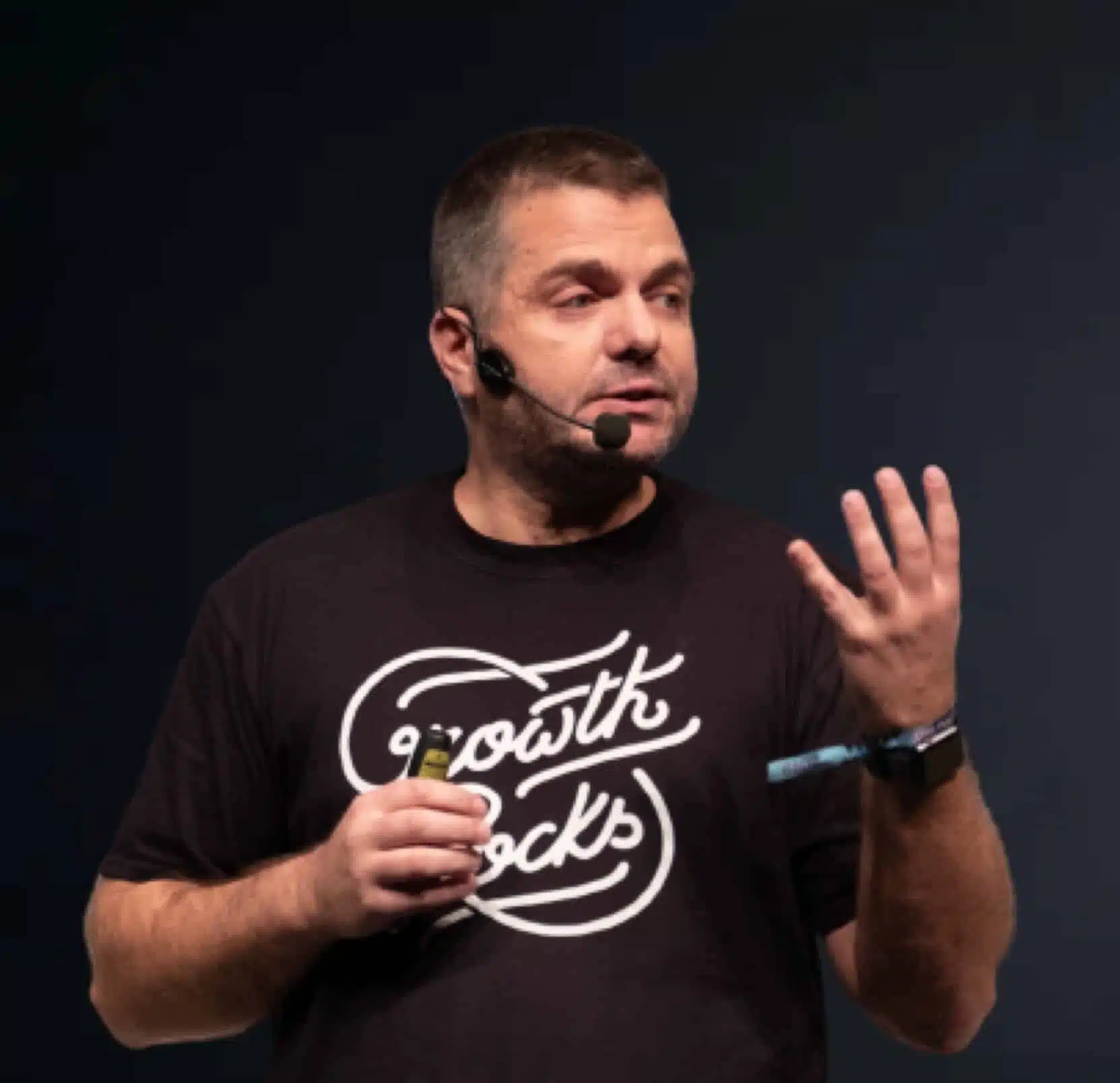
Theodore has 20 years of experience running successful and profitable software products. In his free time, he coaches and consults startups. His career includes managerial posts for companies in the UK and abroad, and he has significant skills in intrapreneurship and entrepreneurship.