AdCopy GrowthRocksTN2
Google Ads copy -copywriting for Google Ads- is a fusion of creative talent, solid copywriting, and scientific data.
It needs to reflect what users are looking for, match their intent, and make the case for your product or offer.
This guide breaks down how to write ad copy that works, test different angles, and measure results properly.
Googling is all about getting results on your screen, right? The paid ads are those that appear at the top of your screen. They are premium, after all. The block of text in these ads is the ad copy.
Accordingly, the ad copy includes the headline, description, URL path, and any extensions. Its purpose is to match the search query, signal relevance, and compel the user to click. When done right, it improves click-through rates, lowers cost-per-click, and supports conversion.
Copy is often the deciding factor between a skipped result and a qualified click. It helps set expectations and connect the searcher’s intent with your offer. Poor copy weakens campaign efficiency. Clear, relevant copy improves performance across all key metrics – from CTR to Quality Score to lead quality.
Most ads can be written in multiple ways, depending on what you choose to emphasize.
As any marketing consulting firm will tell you, everything starts with the ‘USP’. This angle highlights what makes the product or service different. It could be a feature, process, pricing model, or outcome that competitors can’t claim. It works best when the USP is specific, benefit-driven, and easy to grasp.
Use this approach when:
The audience is already problem-aware
You’re in a crowded or comparison-heavy market
You want to position yourself against legacy options
Here, the copy leads with the frustration, obstacle, or inefficiency the product solves. The value isn’t in what you offer – it’s in what they want to stop experiencing. Pain-first copy works well when urgency is high or the problem is well-known.
Examples:
“Still wasting hours on manual reporting?”
“Struggling to scale without hiring?”
This angle often outperforms USP-focused copy in early-funnel campaigns or when targeting audiences not yet aware of your solution.
Some products don’t solve a pain or offer a standout feature, but they still resonate. In those cases, the emotional driver matters more than the technical benefit. This might be nostalgia, aspiration, convenience, pride, or even a sense of identity.
Use this angle carefully. Sentimental hooks tend to be less direct but can boost engagement if aligned with the brand voice and product category.
Accordingly, the first test advert’s copy should be focused on convincing your audience about this: Why should they choose your product or service over a competitor’s? You have to let your potential customer know “what’s in it for them”. A unique selling point should primarily communicate the value of the product or service your business provides.
Your second test advert should focus on your audience’s pain point. A pain point simply means the specific problem that prospective customers of your product or services are experiencing. By knowing a customer’s pain point, you are acknowledging their problem. Accordingly, you are able to package your product or service as the solution. Broadly speaking, pain points can be grouped into four categories:
Framing pain points like this can help you position your product or service as the solution to the customer’s problems.
The third test advert is perhaps the most interesting test of all. Think of it as a bit of a wild card. You want this version of ad copy to be entirely different from the two previous ones. Thus, you might want to push the boat out on the content accompanying your advert here.
You can try using some humor or even try to elicit some anger or disgust. You want to use this third test to run with some of your wackier ideas and see if they have any legs.
Start by isolating what you want to test. That could be a headline, call to action, tone of voice, or keyword placement. Don’t test multiple elements at once – if both headline and body copy change, you won’t know which made the difference.
Each test should focus on a single copy variable. Example tests:
Question vs statement headline
USP-led vs pain-point-led hook
“Free trial” vs “Book a demo”
Use Google Ads experiments or ad variations to split traffic evenly between versions. Ensure you’re testing against a consistent audience segment with enough impressions to detect meaningful differences.
You can estimate sample size requirements using online apps.
Let the test run until you reach statistical significance. Ending tests too early is a common mistake – it often leads to false positives.
Once a winner is clear, roll out the improved version, but also note what worked. Testing should produce insights, not just outputs. A strong outcome teaches you something reusable across future campaigns or offers.
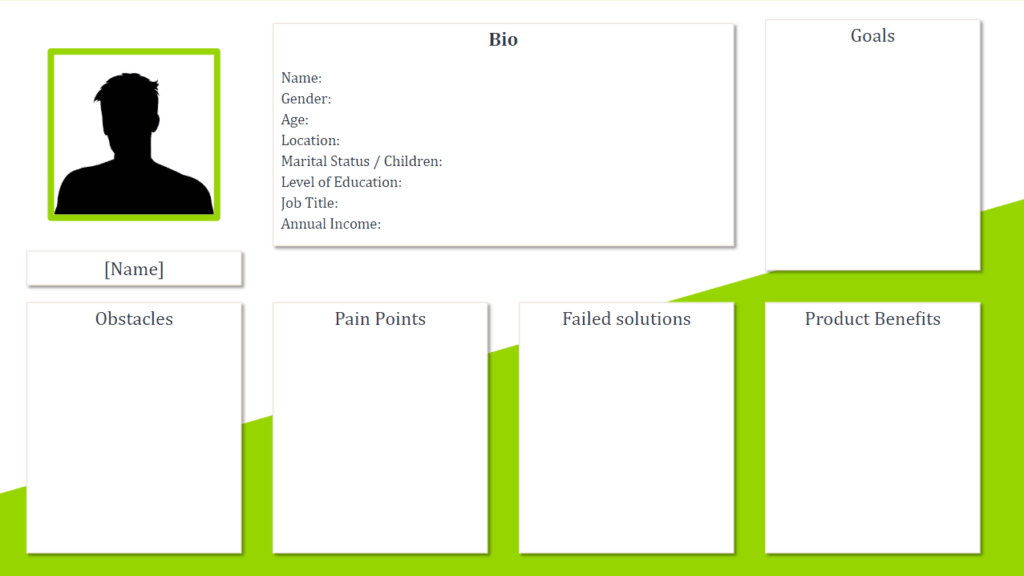
The more you understand the person behind the query, the easier it is to write something that resonates. Different segments respond to different tones, pain points, and value props. Reference an existing customer profile or build one using a buyer persona guide.
Emotional copy tends to outperform neutral phrasing, especially when paired with urgency, exclusivity, or ease. But the tone has to match the brand and audience. A Ryan Holiday quote from Trust Me, I’m Lying: Confessions of a Media Manipulator sums it up: “Anything can be made exciting. You just need to find the right angle.”
Local copy can increase CTR and trust. Mentioning cities, regions, or local outcomes makes the offer feel more relevant. This tactic works well for service businesses, clinics, agencies, and B2B firms with regional sales.
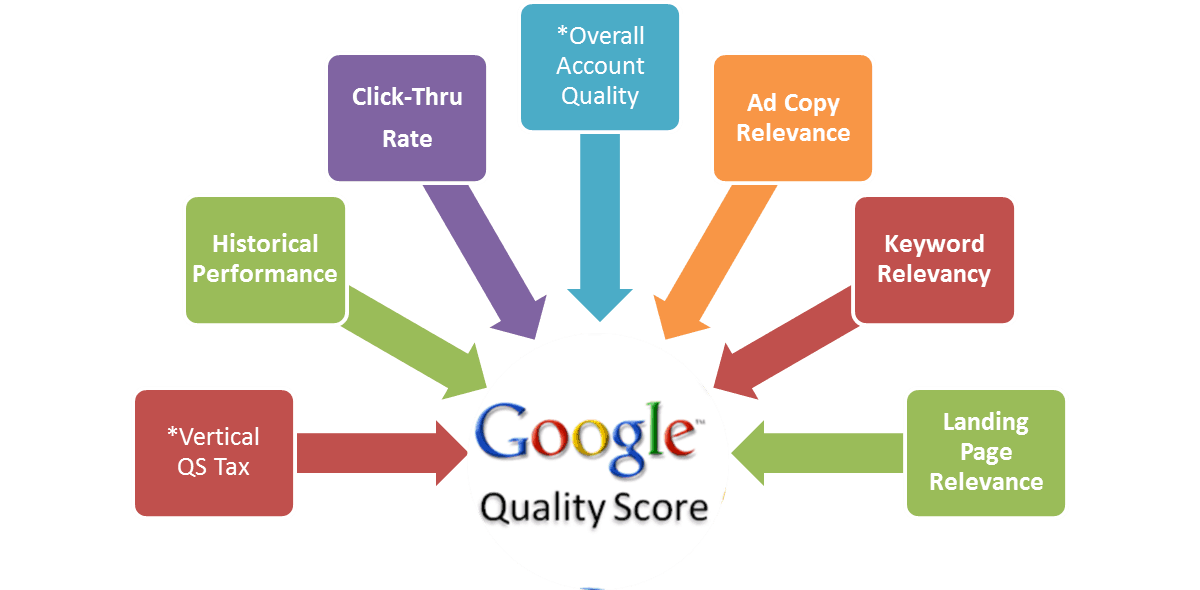
Ad copy should include the target keyword without sounding robotic. Google still factors keyword relevance into AdWords Quality Score, and clarity boosts both user engagement and click potential.
Clarity beats creativity. Avoid forced wordplay, vague statements, or overused buzzwords. If needed, use a paraphrasing tool to see alternate phrasing, then rework it manually to keep tone consistent.
Every ad should tell the reader what to do next – book, download, register, call. CTAs should be action-first and tailored to the offer. For example: “Get the report,” “Book your audit,” or “Try the demo.” If you’re promoting a digital newsletter, say that directly.
Hopefully, you now have a better idea of how you are going to write a better ad copy in your next Google ad.
Remember: a good ad copy uses clear messaging, targeted angles, and structured testing.
And if you need any help with ad copy, PPC, or performance marketing, contact us here and let us know!
I write for GrowthRocks, one of the top growth hacking agencies. For some mysterious reason, I write on the internet yet I’m not a vegan, I don’t do yoga and I don’t drink smoothies.
AI microdramas are making it possible for small teams to produce entire fictional series without…
Companies keep saying they are training AI on their business. Most of the time, they…
Traditional online communities were built for a different internet. Community 2.0 brings humans and AI…
MCP-first apps change how software is built and used. Discover why the UI is becoming…
A step-by-step methodology for measuring how often AI systems cite your brand, with the query…
In 2026, growth hacking is no longer about finding single-turn shortcuts; it has evolved into…